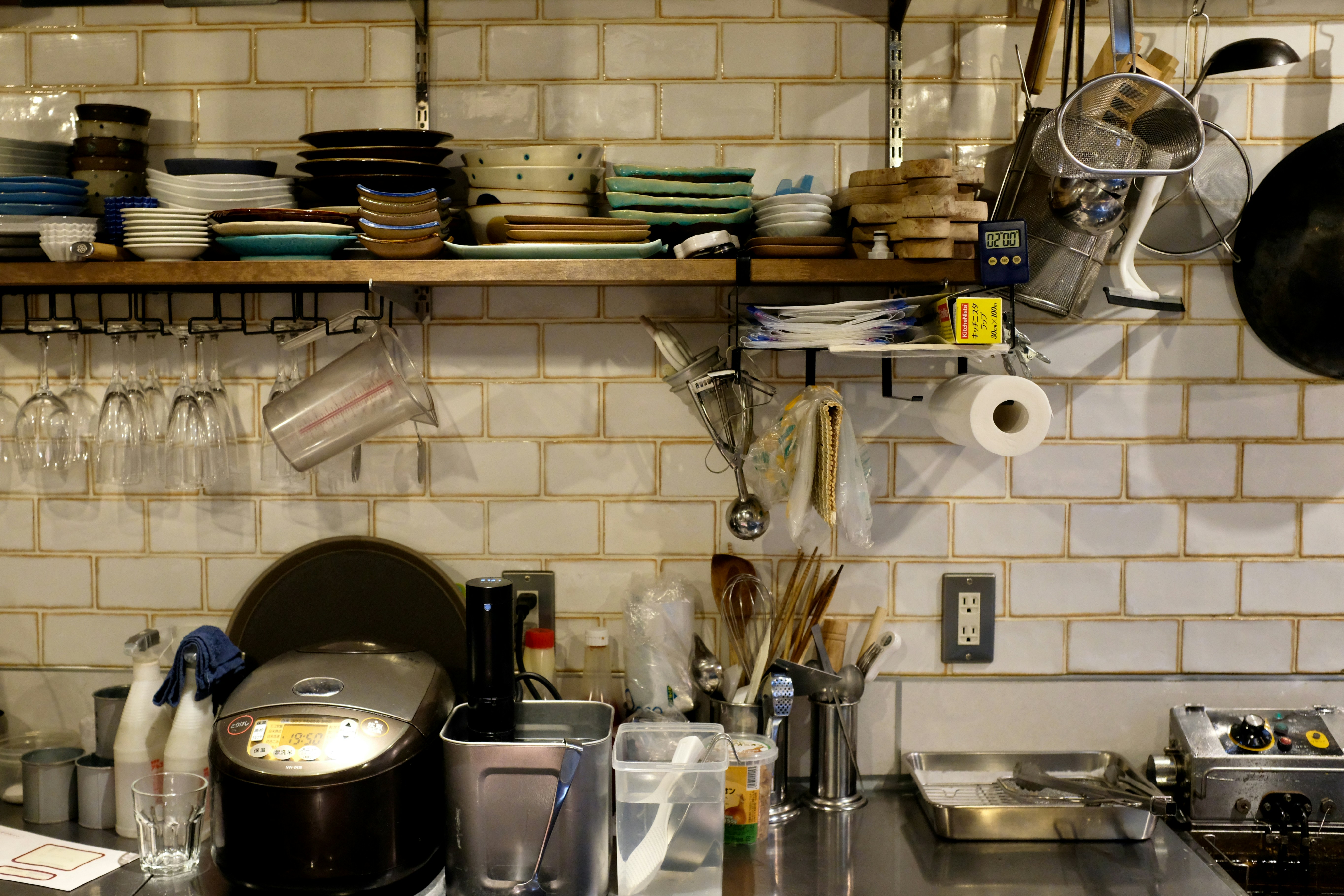
50 Kitchen Items to Declutter Today: An Easy Room-by-Room Guide
Simplify your kitchen fast! Discover 50 items you can declutter today with our easy room-by-room guide. Clear counters, organize cabinets, and create a clutter-free kitchen in no time.
Introduction to Kitchen Decluttering
Kitchens often serve as the heart of the home, a place where families gather to cook, share meals, and create lasting memories. However, over time, these spaces can become overwhelmed with clutter, hampering functionality and diminishing the cooking experience. Kitchen decluttering is not just about removing items; it is a transformative process aimed at enhancing the overall usability and peace of mind within your culinary environment.
Common culprits contributing to kitchen clutter include impulse buying and a tendency to hoard various kitchen gadgets. As consumers, many of us are drawn to the latest kitchen trends, often acquiring items that ultimately go unused. This cycle of acquisition can lead to an overwhelming collection of tools, appliances, and utensils that not only takes up physical space but also mental bandwidth. Consequently, the clutter can make cooking feel like a chore rather than an enjoyable activity.
The benefits of a decluttered kitchen extend beyond aesthetics. An organized kitchen allows for improved efficiency, making meal preparation quicker and simpler. Adopting a straightforward system for kitchen organization enables easy access to necessary items, significantly reducing the time spent searching for tools or ingredients. Furthermore, a clutter-free cooking environment fosters creativity, encouraging individuals to experiment with new recipes and cooking techniques without the constraint of disarray.
Embarking on a kitchen decluttering journey can lead to a profound sense of accomplishment. As you sort through your belongings, making conscious decisions about what to keep, discard, or donate, you create a more functional and inviting space. In engaging with this process, you pave the way for a refreshed approach to cooking, one that emphasizes enjoyment and simplicity. Ultimately, the aim is to cultivate a kitchen that meets your needs while sparking joy each time you step inside.
Step-by-Step Decluttering Guide: Room-by-Room
Embarking on a kitchen decluttering journey can be a transformative process, enhancing both the functionality and aesthetic of your space. To simplify this task, we will break it down room by room, focusing primarily on cabinets, drawers, countertops, and pantry areas.
Cabinets
Begin with your cabinets, where most kitchen items are stored. Remove all items and categorize them into three piles: keep, donate, and discard. Focus on identifying duplicates and items that you rarely use. As a guideline, if you have not used an item in the past year, consider letting it go. Once you have selected which items to keep, clean the shelves thoroughly before returning the items. Utilize organizers like shelving units or pull-out baskets to maximize space and ensure everything has a designated spot.
Drawers
Next, turn your attention to the drawers. Similar to cabinets, take everything out and sort the contents. Kitchen utensils, gadgets, and tools often accumulate over time. Examine each item for its utility; if it serves no purpose, it should be removed. Invest in drawer dividers to maintain order and keep similar items together. This not only streamlines cooking but also maintains an organized appearance.
Countertops
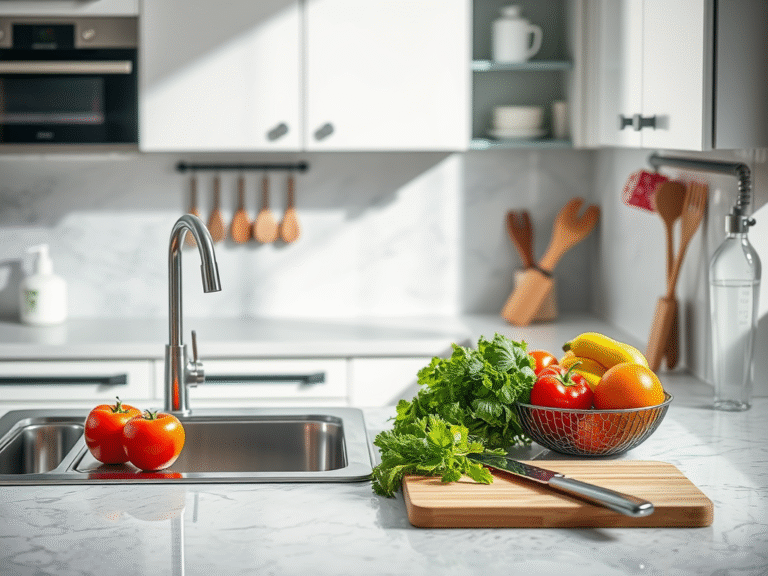
Countertops should be kept as clear as possible to facilitate ease of movement and functionality in the kitchen. Start by removing everything from the surfaces. Only return essential items that are used frequently; decorative pieces can be minimized. Consider storing appliances in cabinets rather than keeping them out, which can create a cluttered atmosphere. Implementing storage solutions, like decorative trays or baskets for frequently used items, can also contribute positively to maintaining a clutter-free environment.
Pantry
Finally, assess your pantry space. Remove all items and check expiry dates, discarding anything that is no longer good. Group similar items together to streamline access and consider investing in clear bins or labels for an organized look. This not only improves functionality but also makes it easier to keep track of food supplies.
By following this detailed approach to kitchen decluttering, you can transform your kitchen into a more efficient and pleasant space. The aim is to create a functional area that meets your cooking needs while reflecting your personal style.
Top 50 Kitchen Items to Declutter
In any kitchen, the abundance of tools and gadgets can quickly transform an organized space into chaos. By evaluating which items truly serve a purpose, one can create a more functional kitchen environment. Below is a curated list of 50 kitchen items that are often found but may be unnecessary or underused, enabling you to streamline your space effectively.
Everyday Utensils: A collection of spoons, spatulas, and whisks is essential for daily cooking. However, consider decluttering duplicates or specialty items that are rarely used. For instance, if you have more than two sets of measuring cups, it may be time to part with the extras. Similarly, if certain kitchen knives remain untouched, they can be donated.
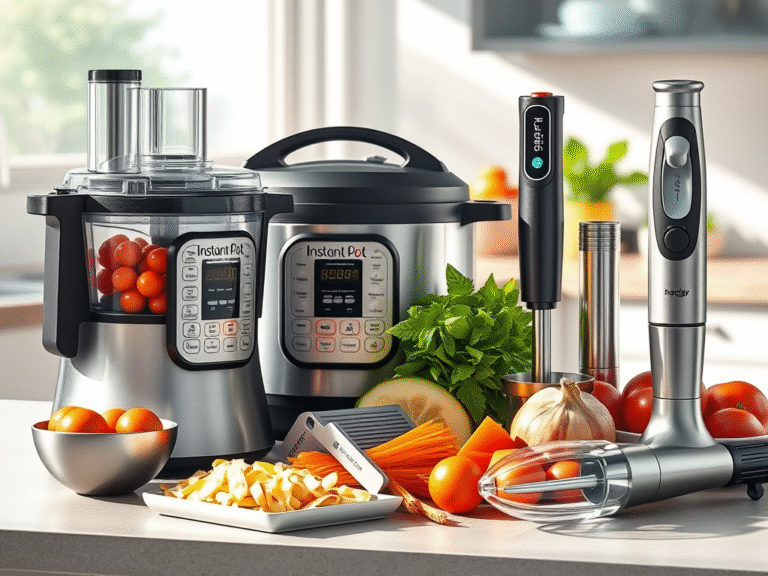
Appliances: Many kitchens house appliances that are used infrequently, such as bread makers, ice cream machines, or food processors. Evaluate how often these appliances are used; if they collect dust on the counter, they may not be worth keeping. An alternative could be utilizing simpler tools that perform multiple functions, such as a blender or a good chef’s knife.
Pantry Staples: Canned goods, dried spices, and miscellaneous pantry items can pile up over time, leading to clutter. Assess expiration dates and consider donating items that you purchased but never used, like specialty flours or unique sauces. Establishing a rule to keep only items that are regularly incorporated into meals can help maintain order.
Decor Items: While decorative elements can enhance your kitchen’s aesthetics, too many can create visual clutter. Decide which pieces you genuinely love and use, and consider storing or donating others that aren’t displayed or appreciated regularly. This can free up valuable counter space and reduce distractions.
By focusing on these categories, one can identify which items truly enhance the cooking experience and which may be better suited for removal. Maintaining a curated collection of kitchen essentials not only improves efficiency but also contributes to a more inviting atmosphere.
Read more: The Nasty Kitchen Problem You Shouldn’t Ignore
Maintaining a Clutter-Free Kitchen
Maintaining a clutter-free kitchen involves continuous effort and thoughtful strategies that enable individuals to uphold the cleanliness and organization achieved through the decluttering process. One practical approach is to establish a regular decluttering schedule. Dedicating time, perhaps on a monthly or quarterly basis, to reassess kitchen items helps to identify those that are no longer needed or utilized. This proactive approach ensures that clutter does not accumulate over time, allowing for a consistently streamlined kitchen environment.
Another effective strategy is implementing a ‘one in, one out’ rule. This means that for every new kitchen item purchased, an existing item should be let go. By adhering to this rule, individuals can effectively manage their inventory and prevent unnecessary accumulation of items. This practice encourages critical evaluation of new purchases, prompting users to ask themselves if the item will serve a practical purpose and if it is truly worth the space it occupies.
Utilizing efficient storage solutions is also vital in maintaining an organized kitchen. Investing in organizers, such as drawer dividers, shelf risers, or stackable containers, can maximize space and ensure that everything has its designated place. The use of clear bins can simplify the storage of like-items, making it easier to find what is needed without rummaging through various containers. Furthermore, labeling storage areas can enhance organization and help all family members maintain the system.
Finally, cultivating daily habits is essential for preventing kitchen clutter from returning. Making a habit of cleaning up immediately after cooking, regularly wiping down surfaces, and ensuring dishes are put away promptly can contribute significantly to a tidy environment. By integrating these practices into daily routines, individuals can effectively maintain a clutter-free kitchen that remains functional and inviting.