
The Connection Between a Clean Kitchen and a Healthy Life
Discover how a clean and organized kitchen can boost your health, improve hygiene, and support better eating habits. Simple tips for a healthier home start in the kitchen.
The Importance of a Clean Kitchen
Maintaining a clean kitchen is not merely an aesthetic choice but a critical aspect of ensuring overall health and well-being. A hygienic kitchen environment is essential to prevent the proliferation of harmful bacteria, which can lead to foodborne illnesses. Research indicates that a significant number of food safety issues arise from improper kitchen sanitation, with cross-contamination being a leading cause. When surfaces, utensils, and food items are not kept clean and organized, the likelihood of bacteria transferring from one source to another increases dramatically. This underscores the necessity for proper cleaning protocols, such as regular disinfecting of countertops, washing kitchenware, and proper food storage techniques to mitigate any risk.
Additionally, a hygienic cooking environment is promoted by a clean kitchen. . A clutter-free space not only minimizes distractions but also encourages individuals to engage in healthier cooking practices. When the kitchen is tidy, the motivation to prepare nutritious meals rises, as the cooking process becomes more enjoyable and efficient. Healthy eating habits are often rooted in the ability to prepare meals with ease and creativity, which is significantly influenced by the state of one’s kitchen.
There are mental and emotional advantages to having a clean kitchen in addition to physical ones. According to research, a neat environment can lower stress levels by fostering a sense of peace and control.. In contrast, a chaotic environment may result in feelings of overwhelm, which can hinder the desire to cooking healthy meals. Therefore, establishing and maintaining cleanliness in the kitchen is crucial not only for physical health but also for mental well-being. A clean kitchen serves as a foundation for nurturing healthy habits and promoting an overall balanced lifestyle, making it imperative to prioritize cleanliness in this vital space.
Organizing Your Kitchen for Healthier Eating
Effective kitchen organization plays a crucial role in promoting healthier eating habits. An organized kitchen not only facilitates easier access to nutritious ingredients but also encourages individuals to make better food choices. By strategically arranging your kitchen items, you can significantly influence your dietary decisions and ultimately support a healthier lifestyle.
One of the first steps to organizing your kitchen is to separate healthy foods from junk food. This can be achieved by designating specific areas in your pantry and refrigerator for wholesome options such as fruits, vegetables, whole grains, and lean proteins. Conversely, place processed snacks and sugary treats in less accessible spots to reduce their visibility and temptation. When healthy foods are readily available and easy to reach, you increase the likelihood of incorporating them into your daily meals.
Another effective strategy is to streamline your meal prep process. Consider devoting a day each week to preparing your meals, which can significantly alleviate the stress of cooking during busier days. Pre-cut vegetables, portion out proteins, and pre-cook grains so that they are easily accessible when you need to assemble a meal. By having healthy ingredients prepped and ready to go, you are less likely to resort to unhealthy takeout options.
Investing in clear storage containers and labels can further aid your organizational efforts. Transparency allows you to see what you have at a glance, and labeling containers with names and expiration dates ensures that you maintain a well-stocked and fresh kitchen. Regularly cleaning out your pantry to remove expired items and updating your inventory will help keep your kitchen focused on healthful eating.
In the end, your eating habits might be significantly impacted by how your kitchen is set up.. By prioritizing nutritious foods and simplifying the cooking process, you create an environment conducive to making healthier choices and enhancing your overall well-being.
Read more: How to Properly Sanitize Dishes
Cleaning Practices that Boost Kitchen Hygiene
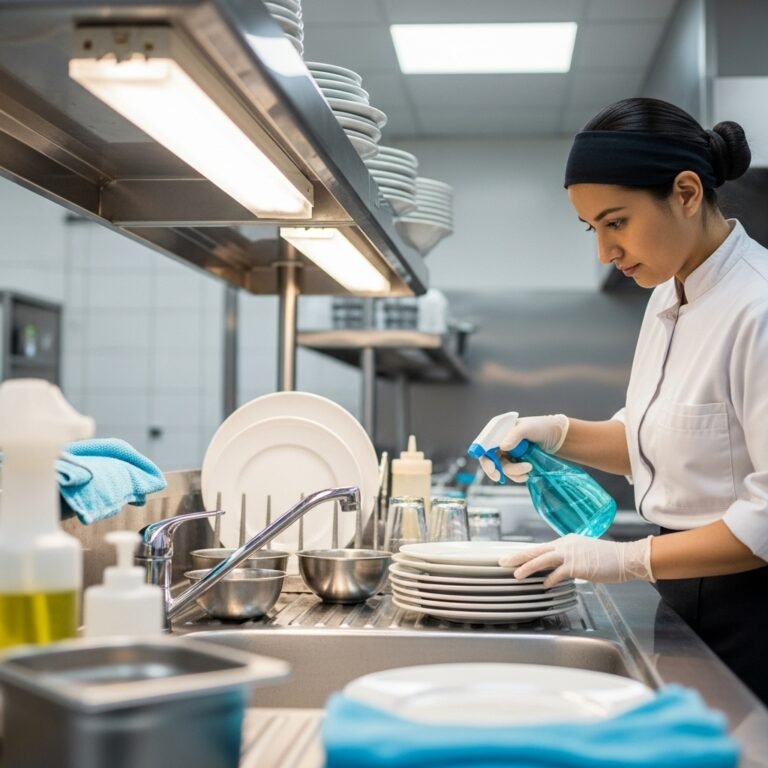
Maintaining a hygienic kitchen is crucial for ensuring food safety and minimizing the risk of foodborne illnesses. Implementing effective cleaning practices can significantly enhance the cleanliness of your kitchen. Establishing a routine that incorporates daily, weekly, and monthly tasks is essential for achieving optimal kitchen hygiene.
On a daily basis, focus on high-traffic areas such as countertops, cutting boards, and sink surfaces. Use hot, soapy water or a mixture of vinegar and water to wipe down these surfaces, ensuring that residual food particles and harmful bacteria are eliminated. It is also important to promptly clean spills and food debris as they occur to prevent cross-contamination. Don’t forget to wash kitchen towels and sponges regularly, as they can harbor bacteria.
Scrub these appliances with a light detergent or baking soda and water, being careful to get into the knobs and handles. Additionally, managing waste disposal is crucial; ensure that garbage cans are emptied and cleaned weekly to deter insects and unpleasant odors.
For monthly cleaning tasks, consider deep-cleaning your pantry and organizing food items. This ensures that you are aware of expiration dates and prevents the accumulation of expired food. Focus on cleaning behind and beneath larger appliances, as these areas often accumulate dust and crumbs that attract pests. Eco-friendly alternatives, such as using vinegar, baking soda, and lemon, can effectively tackle tough stains and odors while being safe for both the environment and your kitchen.
By adopting these cleaning practices, you can foster a hygienic kitchen environment that is conducive to preparing healthy meals and safeguarding your well-being.
Creating a Healthy Kitchen Atmosphere
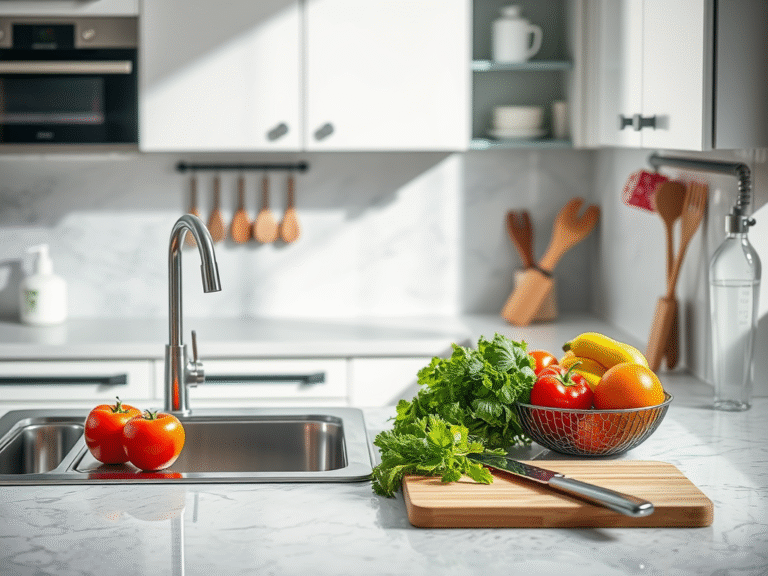
Designing a kitchen that promotes health involves more than just functional appliances; it requires an emphasis on aesthetics and the overall atmosphere. A clean kitchen can serve as a backdrop that encourages healthy cooking and mindful eating. One effective strategy to achieve this is by incorporating fresh produce and herbs into your kitchen decor. Not only do these elements add vibrant colors, but they also serve as visual reminders to incorporate nutrient-rich ingredients into meals. Displaying fruits, vegetables, and herbs in attractive baskets or containers can transform your kitchen into a lively and inspiring space.
Furthermore, the presence of indoor plants can enhance the ambiance. Herbs such as basil, mint, and rosemary can be grown in small pots on windowsills, providing a fresh supply of ingredients while also improving the air quality in your kitchen. As you cook, the aroma of fresh herbs can stimulate your senses and inspire creativity in your culinary endeavors.
Good lighting is another critical aspect of creating an inviting kitchen atmosphere. Natural light is ideal, so consider keeping windows unobstructed. If that’s not feasible, use warm, bright artificial lighting to create an uplifting environment that encourages cooking. Task lighting over work areas, such as countertops and stovetops, will enhance functionality, making it easier to prepare meals mindfully.
Organization is equally important in cultivating a healthy kitchen atmosphere. A well-organized kitchen not only enhances its aesthetics but also facilitates efficient meal preparation. Keeping healthy cooking tools and ingredients within reach may inspire more cooking experiments. Regularly decluttering cabinets and drawers ensures that your kitchen remains a clean and inviting space. By prioritizing these elements, you foster an environment where healthy eating can thrive, making cooking and enjoying nutritious meals a regular part of daily life.